About
John Barrie
Humanitarian innovator, speaker, and designer of practical technologies for the world's poorest people.
Bio
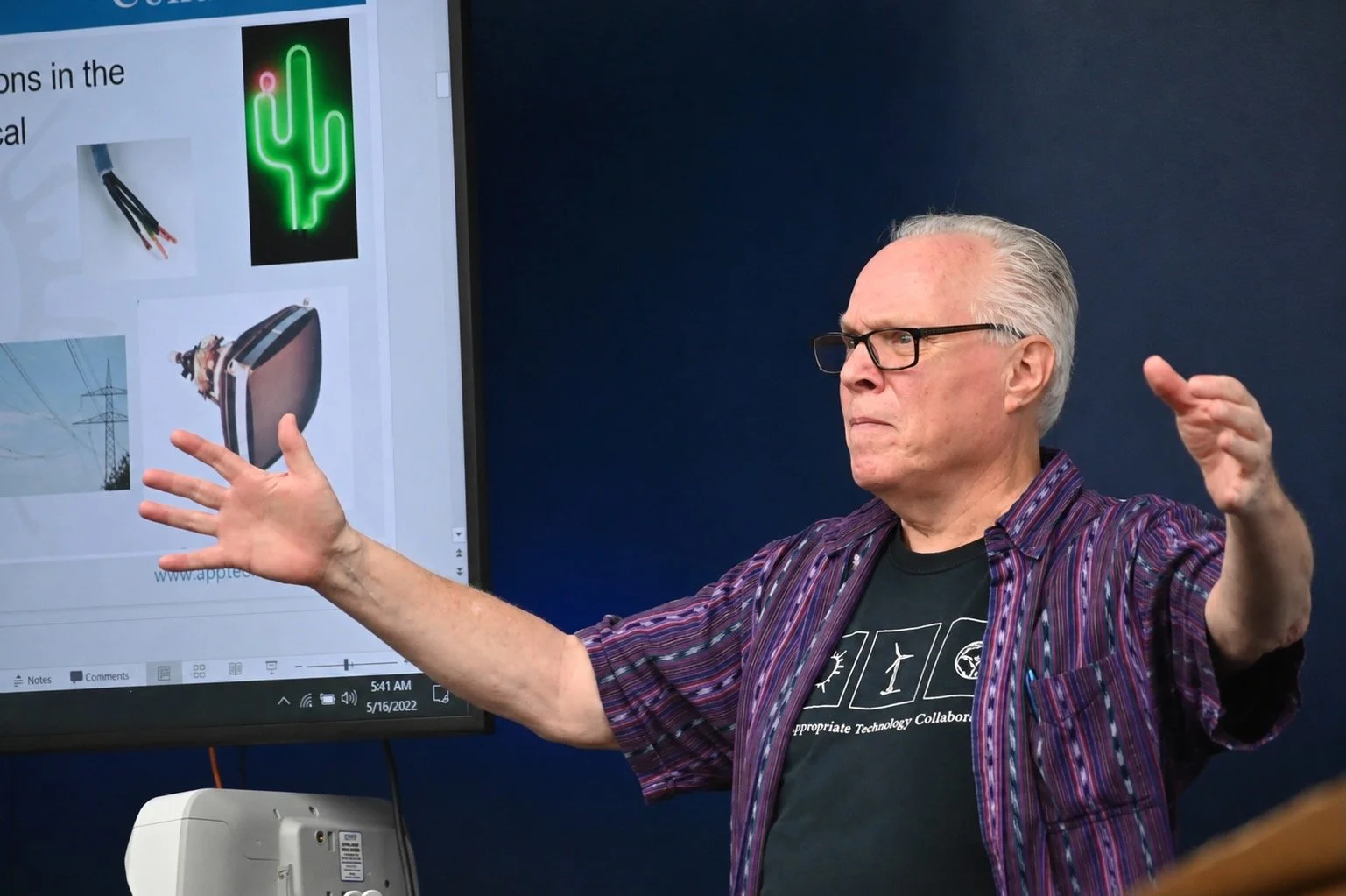
A life designing practical technology for the world's poorest communities.
John Barrie is the founder of The Appropriate Technology Collaborative and a pioneer in humanitarian design, solar power, and sustainable technology.
For more than 20 years, he has worked alongside rural communities to create technologies that improve health, education, income, and daily life.
His work has brought solar power, clean water, and other life-improving technologies to communities across Latin America, South Asia, and Africa.
Recognition
Honored by the institutions that know the field best.
Sustainia Top 100 — UN Global Compact

U.S. Department of Energy American-Made Solar Prize
Energy Globe Award, Guatemala
Boston Innovation Prize
IEEE Foundation Grantee
Lindbergh Foundation Award
My Mission
To design and deliver affordable, repairable, dignified technologies that meet real needs in real communities — not concepts, but tools that families use every day.
John's mission is rooted in a simple belief: families living without electricity, clean water, or reliable infrastructure deserve technologies designed with the same care and intelligence as products made for wealthy markets.
Working alongside local partners, he helps create solutions that are practical enough to be built, repaired, taught, and sustained in the places where they matter most.
My Story
From engineer to humanitarian designer.
A career that began in conventional engineering was redirected by a single trip to the western highlands of Guatemala — and twenty years of fieldwork later, the journey continues.
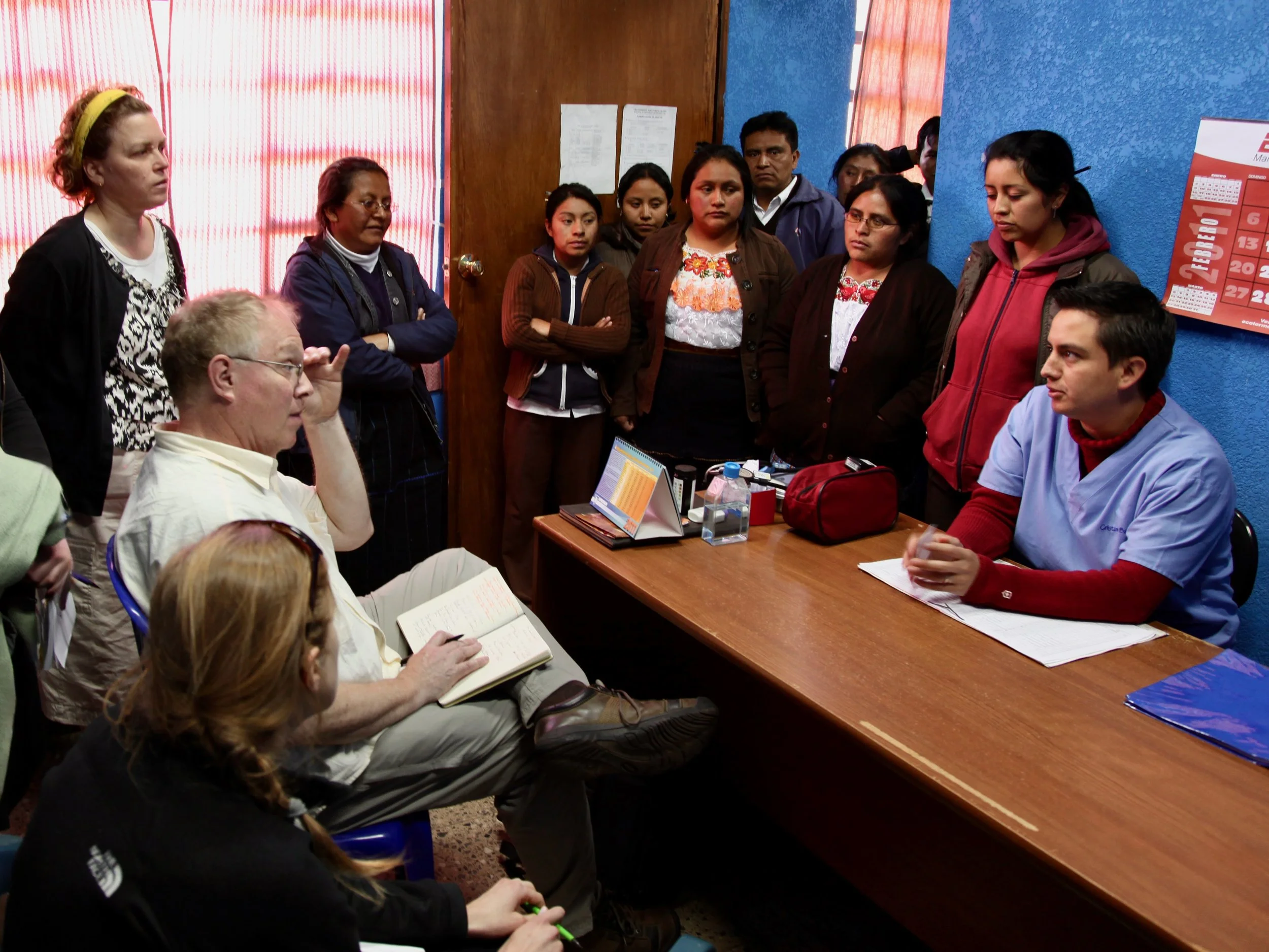
From doctors' offices in Ixtahuacán to village clinics across three continents, John has spent the better part of his life sitting at the same tables as the people his work serves — listening first, designing second.
That practice of showing up, taking notes, and iterating shoulder-to-shoulder with local partners is what shaped every technology now in the field.
Approach
Four principles that have never failed in twenty years of fieldwork.
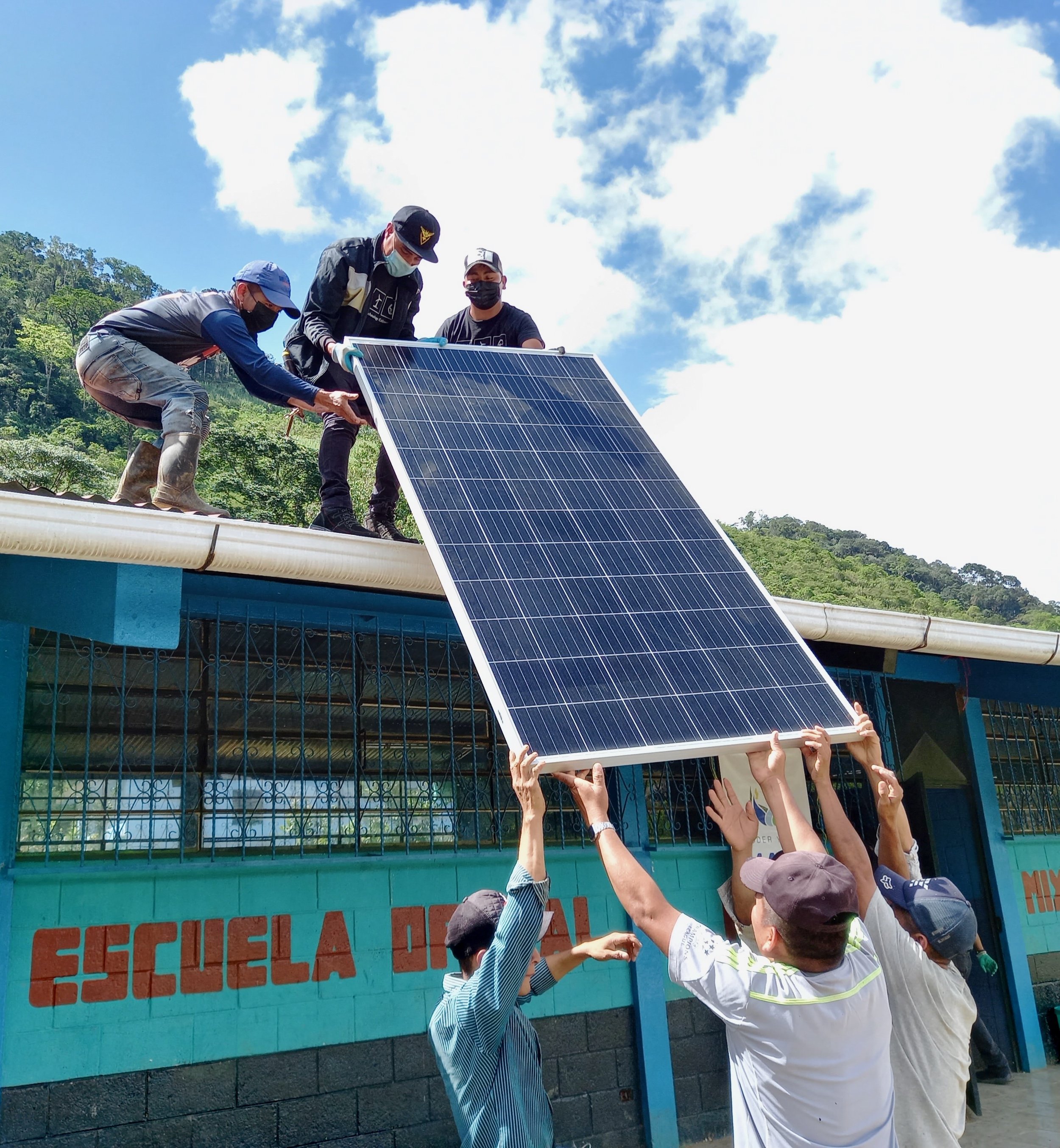

Designed With, Not For
Every technology is co-developed with the families and field workers who will live with it daily.

Dignified by Default
Affordable does not mean austere. People deserve technology that looks and feels worthy of their lives.

Locally Repairable
If a village mechanic can't fix it with the tools on hand, the design isn't finished yet.

Evidence-Based Iteration
Every deployment is measured. Every iteration is shaped by what families actually report.
Bring twenty years of fieldwork to your audience.
From keynotes to classroom collaborations — let's talk about what's right for your event.