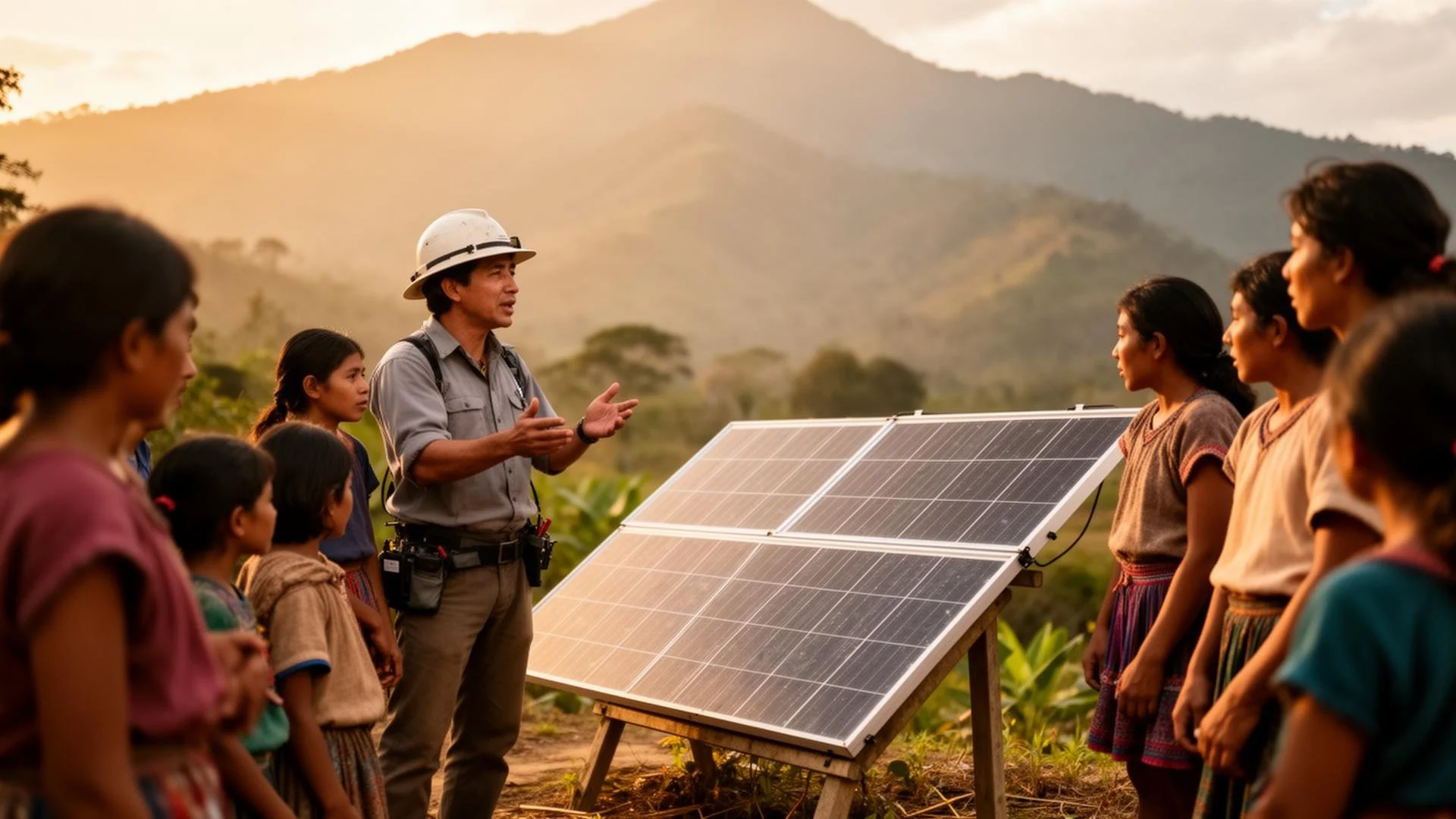
Humanitarian Solar Power
How sustainable technology is transforming life for the world's poorest people.
John Barrie has 20 years of experience bringing solar power, sustainable technology, and practical engineering solutions to rural communities in Guatemala, Nicaragua, India, Cameroon, and Malawi.
Real Results from Sustainable Technology
Two decades of field measurement across Guatemala, Nicaragua, India, Cameroon, and Malawi — measurable change in income, education, and health.
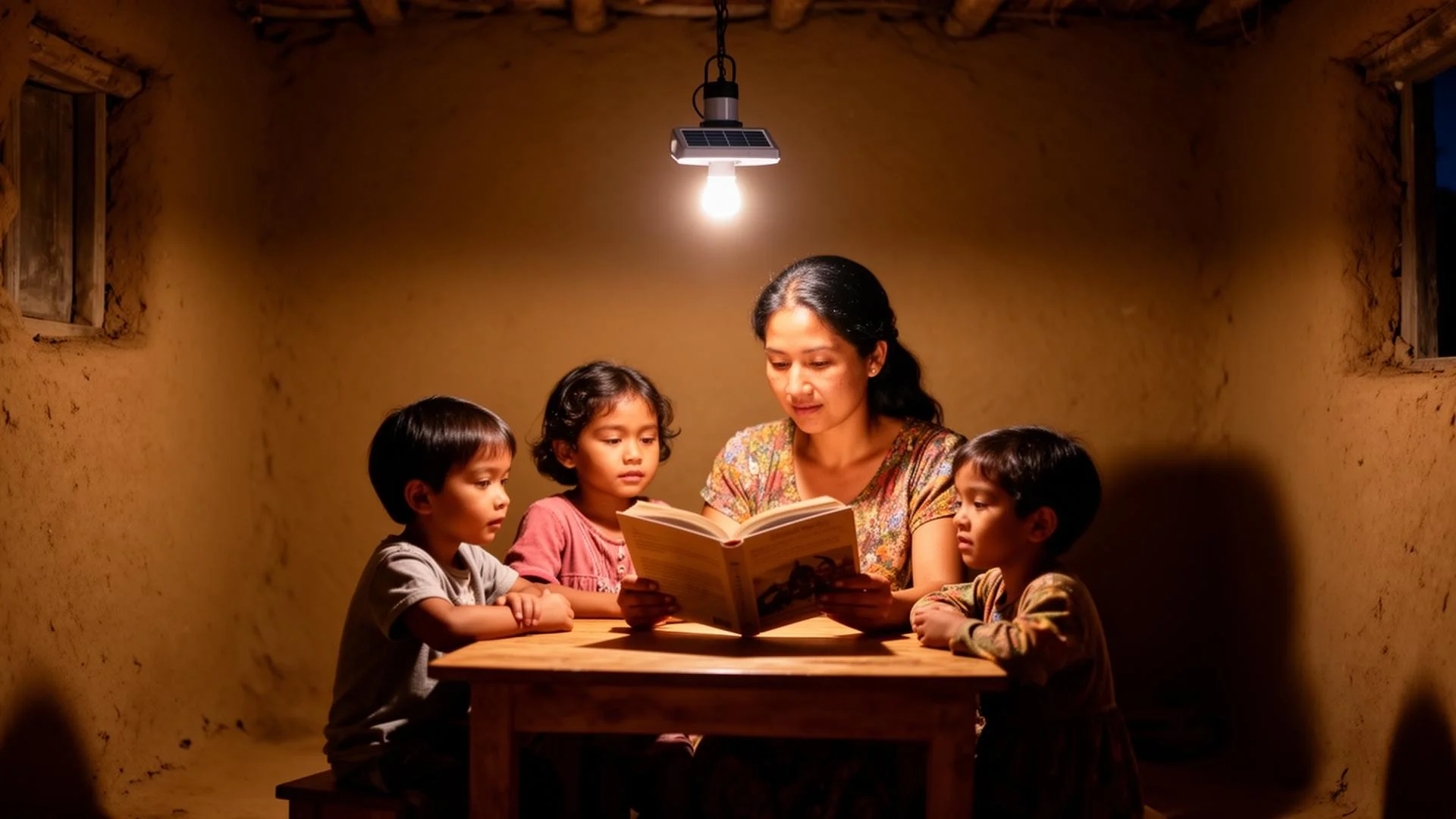
Cleaner indoor air
Replacing candles and kerosene dramatically reduces respiratory illness.
$5
saved per week
Families save money previously spent on candles, kerosene, and disposable batteries.
3–4
more years of school
Children with solar lighting stay in school significantly longer because they can study after dark.
+$35
monthly household income
Lighting and basic technology enable home businesses and extended working hours
1,000
first days of life
Solar lighting and clean water help protect mothers and infants during the most critical years.
Sustainable Technologies Saving Lives
Over the past two decades, John has designed twelve practical sustainable technologies used by families, farmers, and health workers in rural communities worldwide.


Solar vaccine refrigerators
Used in remote clinics, helping protect over a million lives from preventable diseases.
Solar lighting systems
Replacing candles and kerosene lamps in homes without electricity.
Solar food dehydrators
Allow farmers to preserve crops, feed their families, and increase income.
Treadle irrigation pumps
Replacing candles and kerosene lamps in homes without electricity.

Globally, almost one billion people still live without access to electricity.
— United Nations Development Programme
Talks by John Barrie

01 Solar Power Saves Lives
In many parts of the world, families still rely on candles and kerosene for light. This talk explores how simple solar technologies are improving health, increasing household income, and helping children stay in school.
02 Designing Technology for a Billion People
Technology is often designed for wealthy markets and stable infrastructure. This talk explores how engineers and designers can create practical technologies that work for the one billion people who still live without electricity.
03 What Works in Humanitarian Technology
Technology is often designed for wealthy markets and stable infrastructure. This talk explores how engineers and designers can create practical technologies that work for the one billion people who still live without electricity.
John Barrie speaks at conferences, universities, and events focused on solar power, sustainable technology, engineering, and global development.
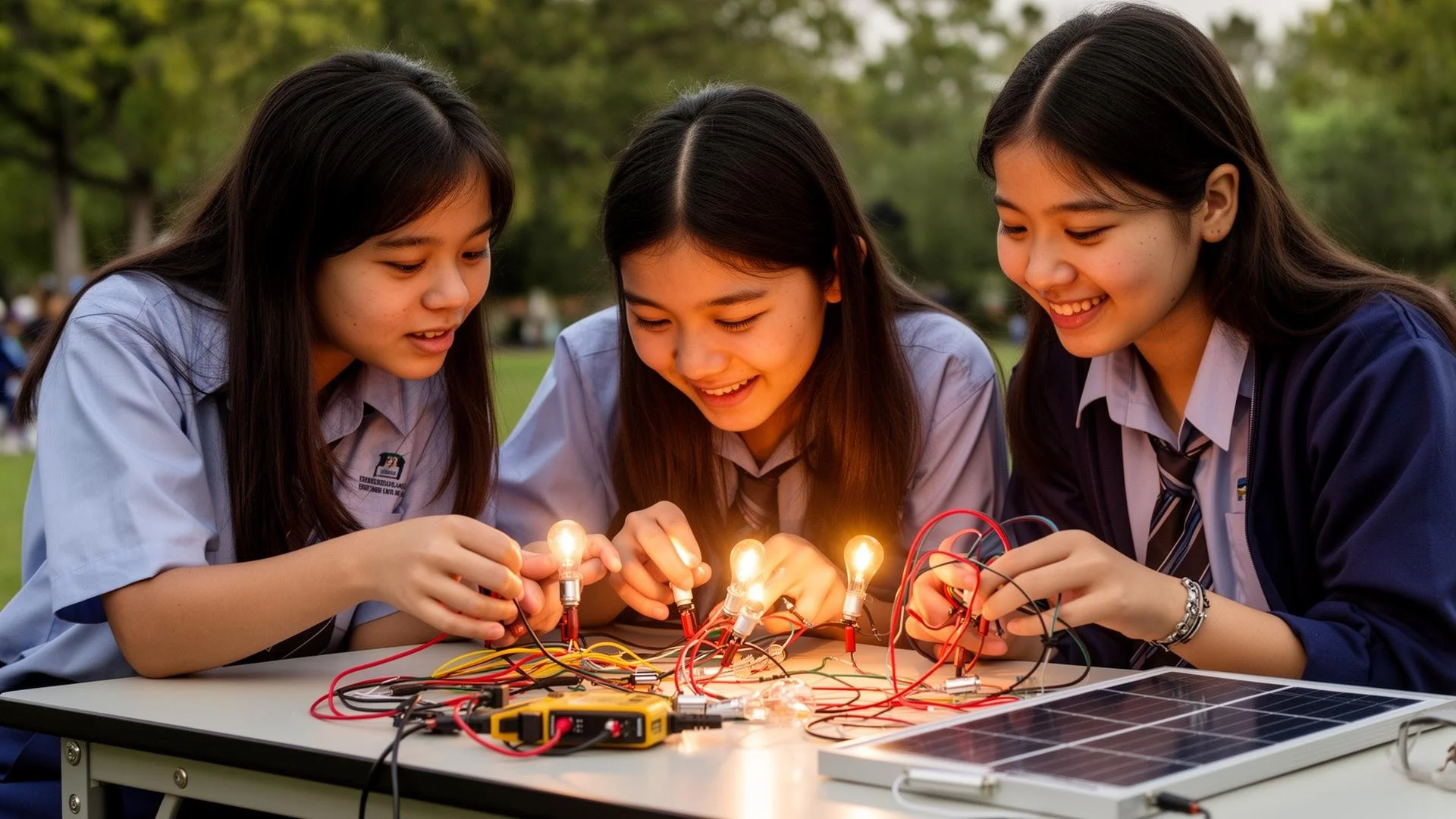
A pioneer in humanitarian design.
John Barrie is the founder of The Appropriate Technology Collaborative and a pioneer in humanitarian design, solar power, and sustainable technology.
For more than 20 years, he has worked with rural communities to design practical technologies that improve health, education, and economic opportunity.
His work has brought solar power, clean water, and other life-improving technologies to communities in Guatemala, Nicaragua, India, Cameroon, and Malawi.
Selected Organizations & Recognition
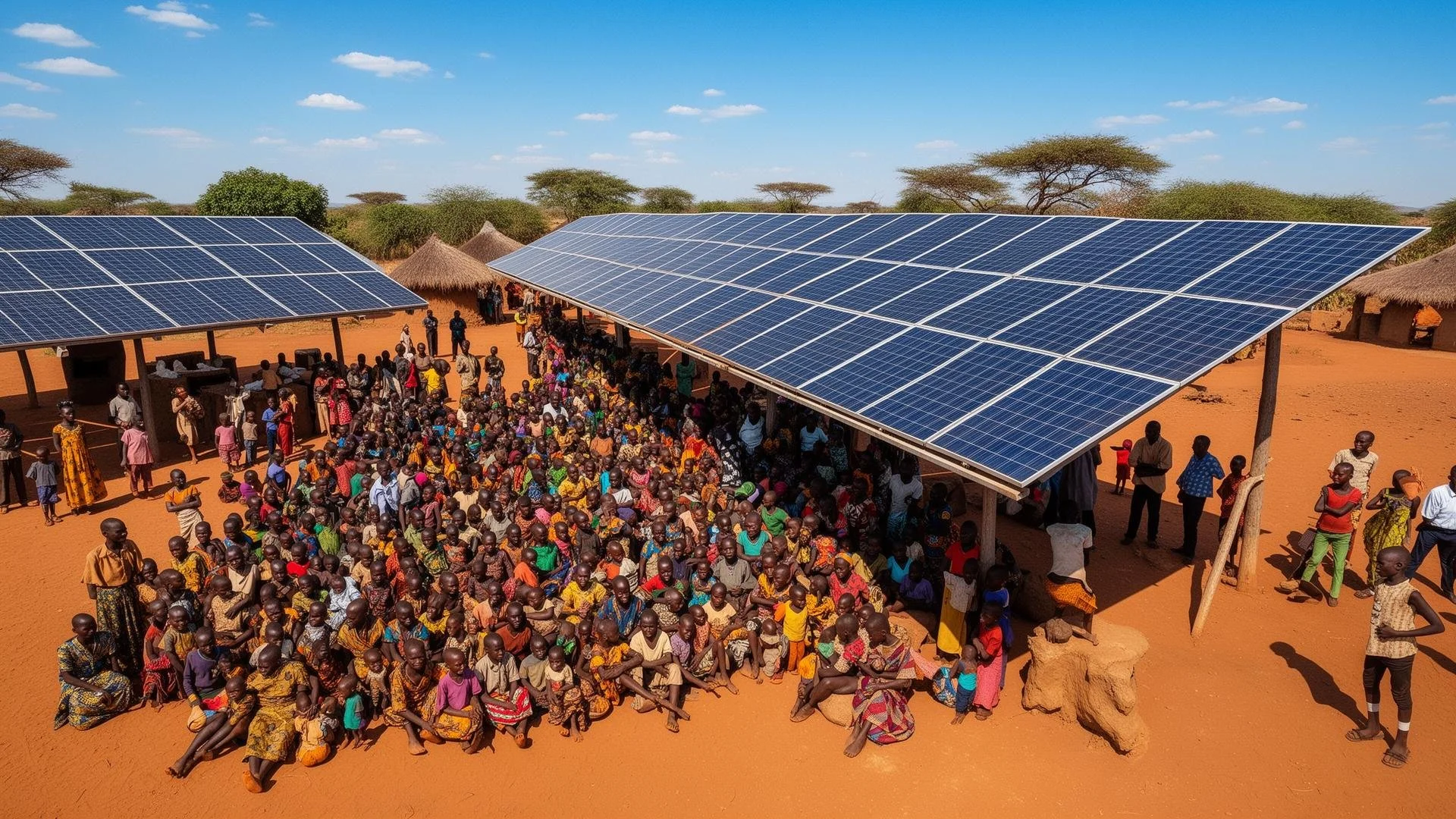
Universities
University of Michigan
Michigan State University
Rutgers University
Yale University
University of Papua New Guinea
University of San Carlos de Guatemala
Universidad Mesoamericana
Collaborators
Poder y Luz Maya
Engineers Without Borders
AEIDS (Guatemala)
Soluciones Energéticas Apropiadas
Comité Campesino del Altiplano
Finca la Florida
Foundations
Ann and Gordon Getty Foundation
IEEE Foundation
Clif Bar Foundation
Lindbergh Foundation
The Rotary Foundation
Project Nightfall Foundation
Recognition
Top 100 Sustainable Innovations — Sustainia / UN Global Compact
U.S. Department of Energy Solar Prize
Energy Globe Award, Guatemala
Boston Innovation Prize
Bring this story to your audience.
To inquire about speaking engagements, panel discussions, or collaborations, please get in touch.